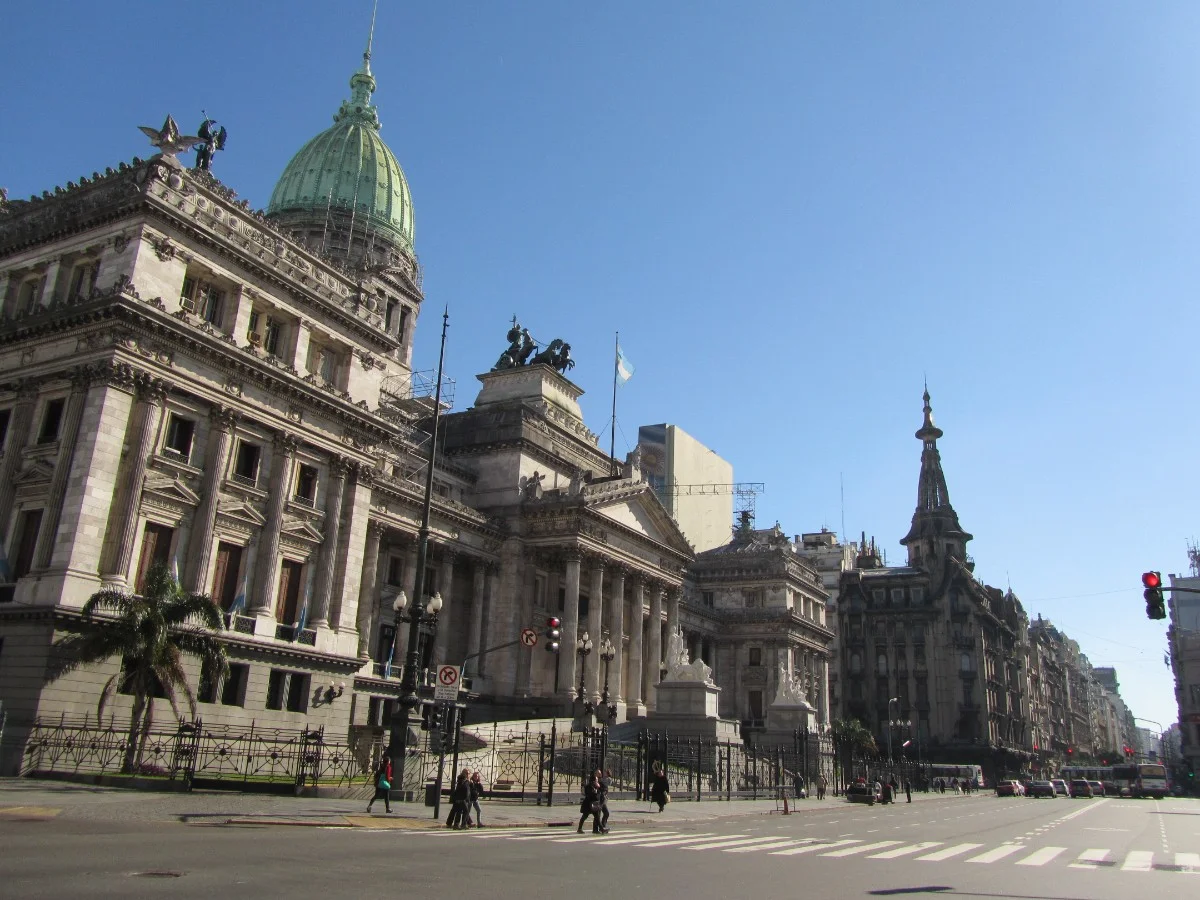
Buenos Aires has a way of pulling people out of their routine without forcing it. The city feels alive from morning to late night, and that energy naturally spills into group experiences.
Whether your team is competitive, creative, introverted, or somewhere in between, there’s space here for everyone to engage without feeling awkward or overmanaged.
What really sets Buenos Aires apart is how easy it is to blend structure with spontaneity. You can run a clearly defined activity, like a scavenger hunt or cooking challenge, and still leave room for side conversations, laughter, and unplanned moments that often matter more than the activity itself.
The city’s neighbourhoods are compact, walkable, and full of natural break points where teams can pause, regroup, and connect.
Culturally, Buenos Aires is built around shared experiences. Food is meant to be eaten together. Music and dance happen in public spaces. Even a simple walk through the city invites interaction.
For team building, that’s gold. It means you don’t have to manufacture bonding. It happens naturally when the setting does half the work for you.
Just as important is the variety. You can go high energy or low pressure, indoors or outdoors, city based or countryside adjacent.
That flexibility makes Buenos Aires a strong choice for mixed teams, international groups, or companies that want something memorable without going extreme.
When team building works best, it feels less like an exercise and more like a shared day well spent.
Buenos Aires leans into that idea effortlessly.
Quick Planning Snapshot Before You Book Anything
Before locking in activities, a bit of planning goes a long way in Buenos Aires. The city is friendly to groups, but timing, location, and group dynamics can make the difference between a smooth team day and a scattered one.
Timing matters more than most teams expect. Mornings are calm and efficient, which works well for strategy heavy activities like escape rooms or workshops.
The ideal time for outdoor challenges and city based games is in the late afternoon, when the energy is high but the temperature is lower. Evenings are best saved for social formats such as food crawls, game nights, or relaxed competitive experiences.
Group size changes the game. Small teams (6–12 people) can move easily between neighbourhoods and handle flexible formats. Medium groups (12–30) benefit from structured start times and clear meeting points.
Larger teams usually work best with one central location or parallel activities that come together at the end. Buenos Aires supports all of these. You just have to design for it.
Neighbourhood choice affects everything. Staying within one area reduces transport friction and keeps the group focused.
Palermo and Recoleta are especially forgiving for first time visitors, while areas like San Telmo add character but need tighter scheduling. Moving across the city can work, but only if the activity justifies the extra logistics.
Language and culture are rarely a barrier.
Many facilitators are bilingual, and most activities rely more on action than explanation. Still, a short briefing in English or your team’s main language at the start helps everyone relax and participate fully.
Where to Base Your Team Day
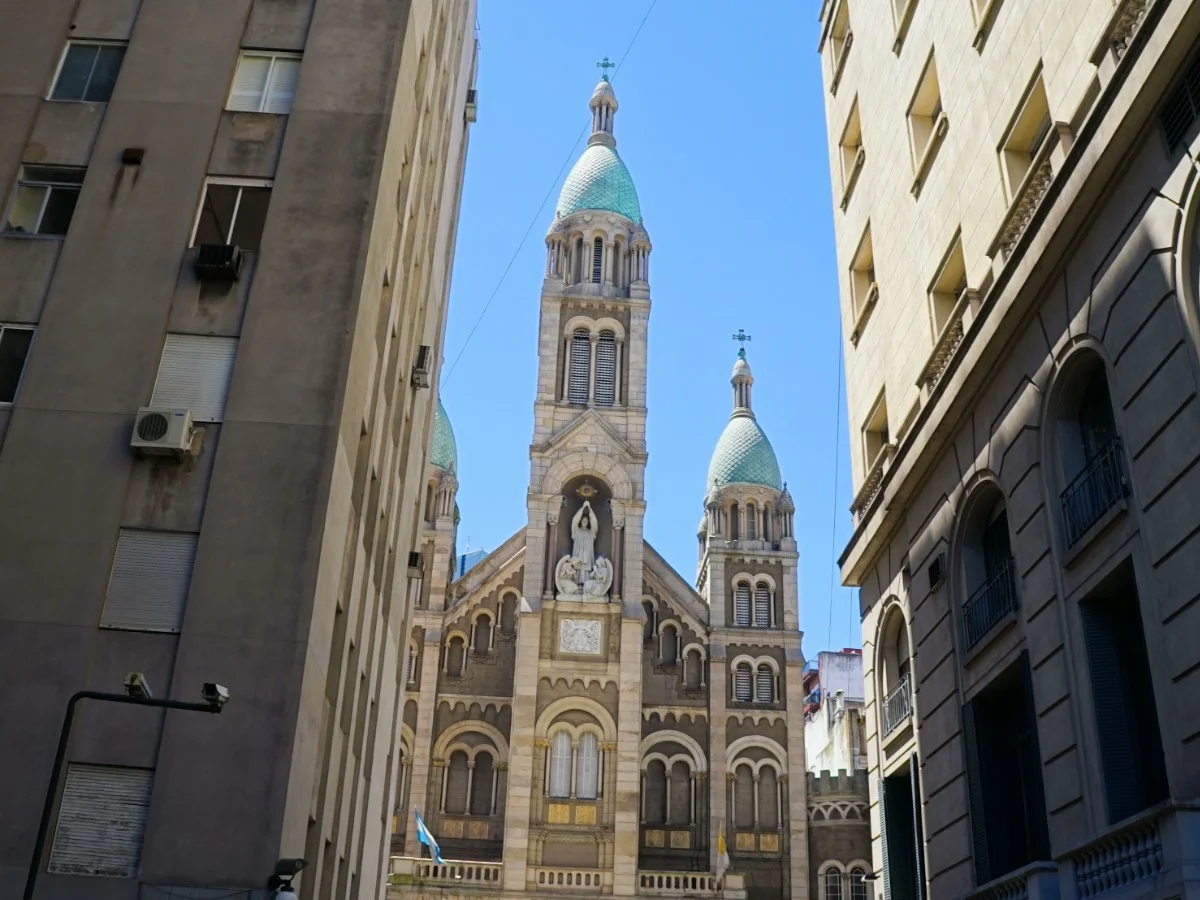
Choosing the right neighbourhood in Buenos Aires sets the tone for the entire experience. Some areas make logistics effortless. Others add character and creativity.
The best choice depends less on what looks good on Instagram and more on how your team actually moves, thinks, and connects.
Palermo
If you want flexibility and zero stress, Palermo is hard to beat. It’s green, walkable, and packed with cafés, parks, and activity venues.
Teams that enjoy outdoor challenges, scavenger hunts, food based experiences, or casual debriefs between sessions usually thrive here. It’s also forgiving if plans shift slightly. There’s always somewhere nearby to regroup.
Recoleta
Recoleta feels more polished and structured. This works well for corporate teams that want a clean, professional backdrop without losing local flavour.
Activities here tend to be indoor or centrally located, making it ideal for escape rooms, workshops, or shorter team sessions followed by a sit down meal.
San Telmo
For teams that value personality over predictability, San Telmo delivers. Cobblestone streets, historic buildings, and a creative edge make it perfect for walking challenges, cultural games, or photography based activities.
It does require tighter coordination, but the payoff is a more memorable, story driven experience.
Puerto Madero
Puerto Madero is sleek and modern, with wide paths and a calm atmosphere. It suits teams looking for a premium feel, waterfront walks, or evening focused events.
While it’s less spontaneous than other areas, it’s excellent for polished game nights, corporate style challenges, and post activity dinners.
The simplest rule is to pick one neighbourhood and commit to it.
When teams aren’t worrying about transport or timing, they engage more. That’s where the real team building happens.
City Scavenger Hunt or Treasure Hunt Challenge
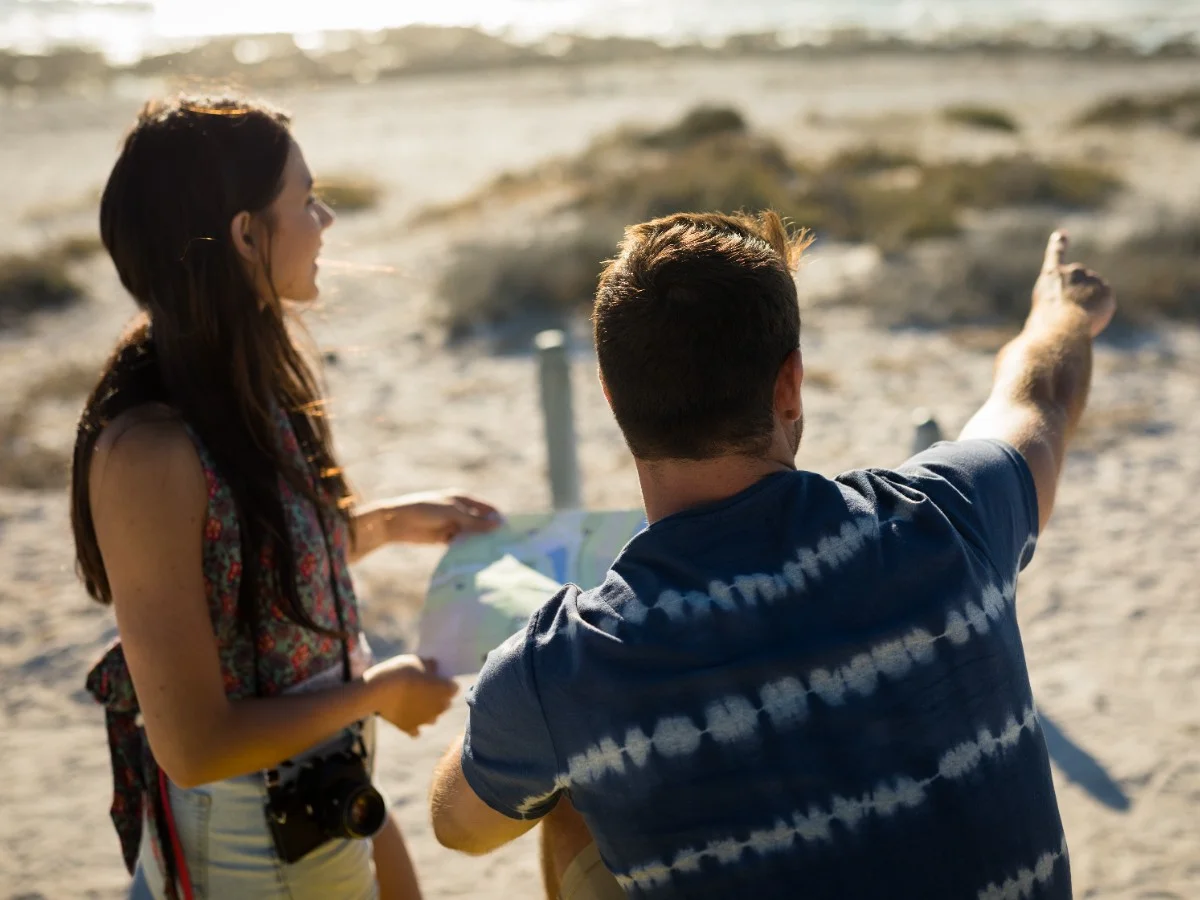
Exploring new horizons: A team adventure awaits!
A city scavenger hunt is one of the easiest ways to turn Buenos Aires into an active team building playground.
It gets people moving, thinking, and talking almost immediately, with no long explanations and no awkward warmups.
Teams are given clues, challenges, or missions that guide them through streets, landmarks, and neighbourhood corners they would probably never notice on their own.
What makes this format work so well for teams is the balance it creates.
There’s competition, but it’s light. Strategy matters, but so does creativity. Someone navigates, someone solves, someone keeps time, someone spots details. Roles emerge naturally, which is often more revealing and more useful than anything scripted.
Buenos Aires is especially well suited for this kind of activity. Areas like Palermo and San Telmo offer clear routes, visual landmarks, and plenty of decision moments where teams have to agree quickly and move on.
The city’s walkability keeps energy high without exhausting people, and short stops at cafés or plazas give teams space to reset between challenges.
This type of activity works for almost any group size and personality mix. Competitive teams can race for points and time bonuses. More collaborative groups can focus on completing creative tasks together. Either way, the city does the heavy lifting. Your team just has to show up and play.
Escape Room Battle (Teams Split + Time Challenge)
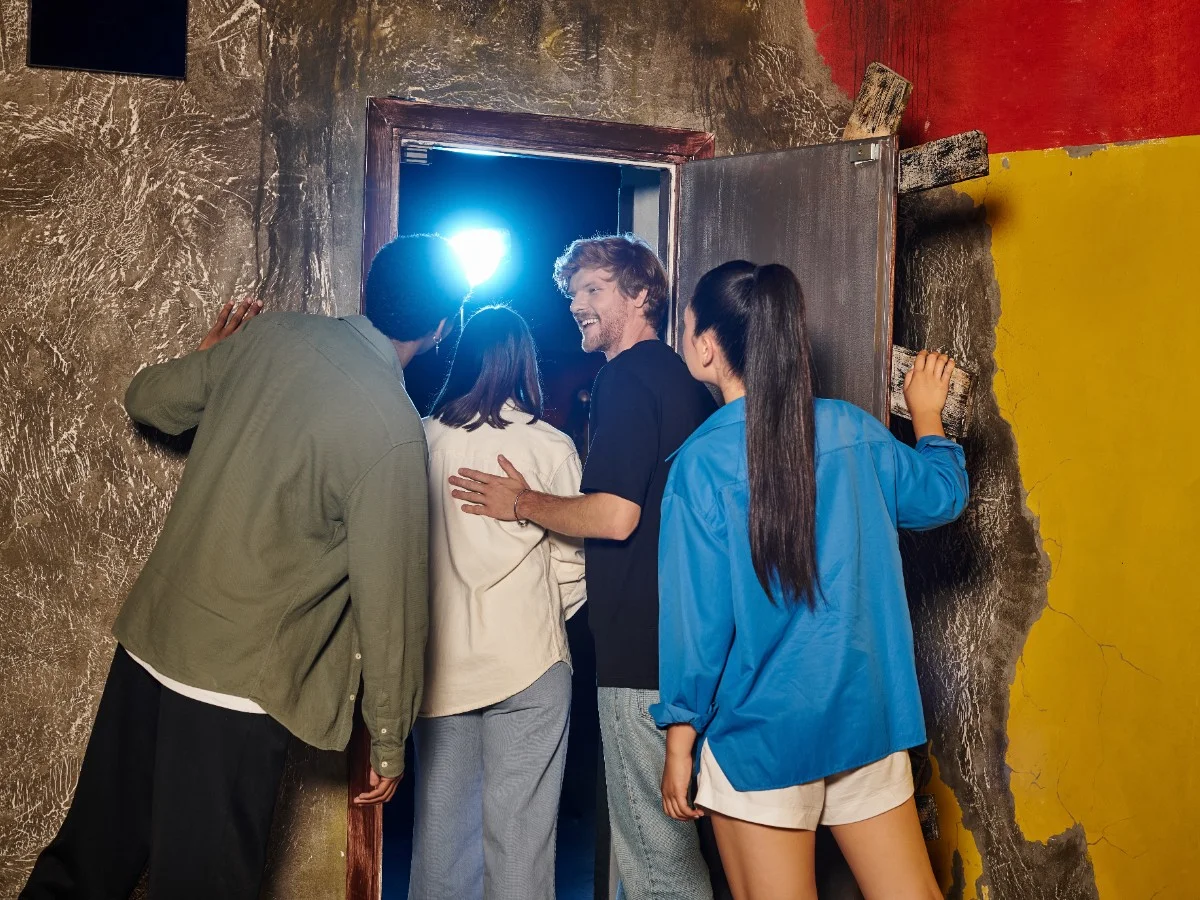
Unlocking adventure: Team building fun in an escape room!
An escape room battle brings out how teams really function under pressure, and that’s exactly why it works so well for team building.
Instead of placing everyone in one room, the group is split into smaller teams that tackle identical or comparable rooms at the same time. The goal isn’t just to escape. It’s to escape better, faster, cleaner, and with fewer hints.
In Buenos Aires, escape rooms are widely available and easy to integrate into a half day plan. Most venues are central, climate controlled, and well run, which makes this a reliable option regardless of weather or season.
That reliability matters when you’re planning for a group and don’t want surprises.
What makes escape rooms powerful for teams is how clearly roles surface. Natural leaders step up. Analytical thinkers slow things down in a good way.
Communicators either connect the dots or don’t. There’s no hiding, but it never feels confrontational. The clock creates urgency, yet the environment stays playful enough that people take risks without fear.
To turn this into a true team building exercise, the debrief is key.
Comparing strategies between teams, who delegated, who chased every clue, who stayed calm, often leads to surprisingly honest conversations. Even teams that don’t win usually walk out laughing and more aware of how they work together.
This activity is especially effective for mixed teams, introverts, or groups that prefer mental challenges over physical ones.
It’s contained, focused, and satisfying, and when done right, it sparks discussions that last well beyond the room itself.
Group Tango Lesson (Yes, Even for "I Don’t Dance" People)
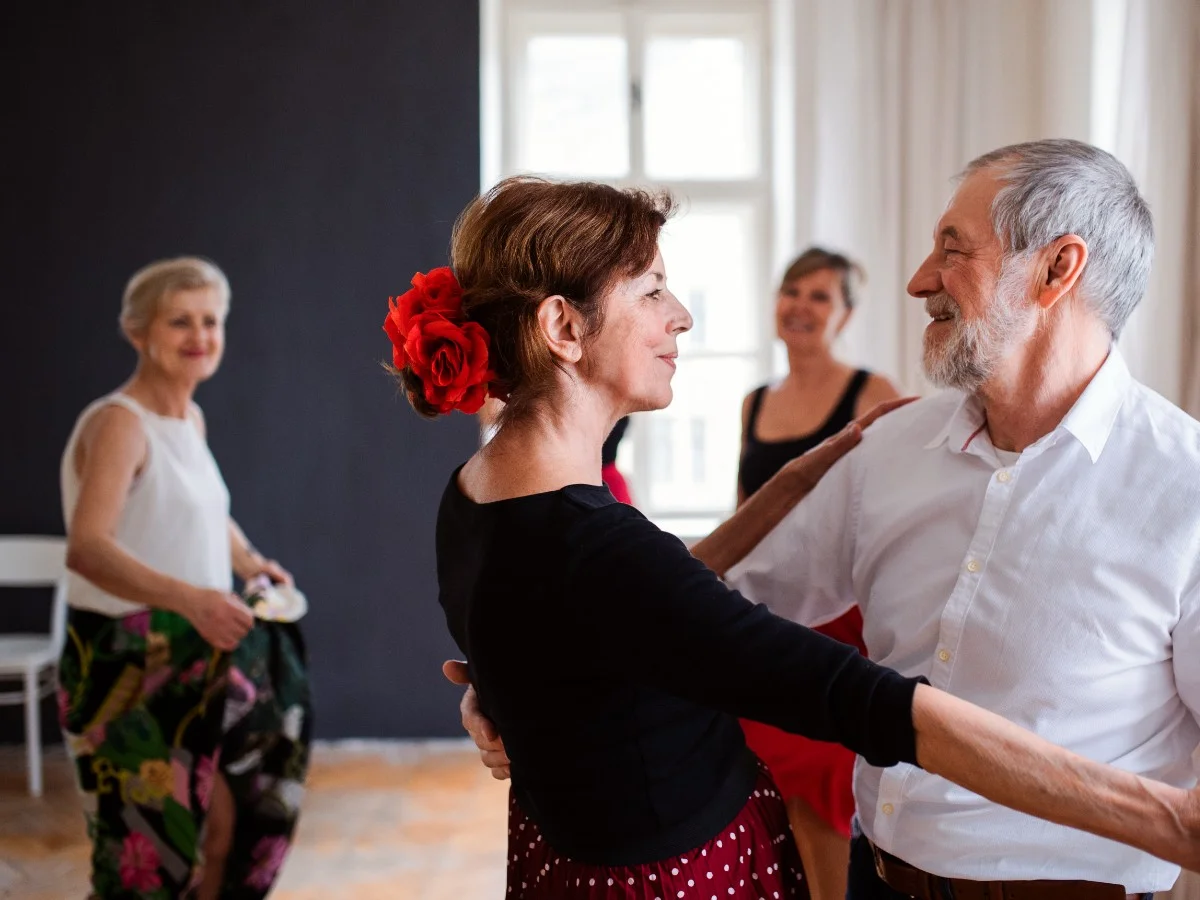
Discover the joy of dance and connect with your team.
A group tango lesson tends to trigger one of two reactions: curiosity or mild panic. That’s exactly why it works. Tango gently pushes people out of their comfort zone without putting anyone on the spot, and in Buenos Aires, it feels natural rather than forced.
This isn’t about learning a perfect dance. Good facilitators structure tango sessions for complete beginners, focusing on posture, rhythm, awareness, and connection, not choreography.
No one is expected to perform, and no prior experience is needed. In many formats, partners rotate or exercises are done in small groups, which removes pressure and keeps things light.
From a team building perspective, tango builds trust in subtle ways. You have to pay attention. You have to listen, sometimes without words. You have to adjust to another person’s pace instead of controlling the outcome.
Those skills translate surprisingly well back into the workplace, even if no one explicitly points it out.
Tango lessons also level the playing field. Titles, roles, and seniority fade quickly when everyone is learning something new at the same time. Laughter usually kicks in within minutes, and once that happens, barriers drop fast.
This activity works best as a short, focused session, often followed by a meal or casual drink nearby. It’s ideal for teams that want something memorable, cultural, and slightly unexpected, without turning the day into a performance or a spectacle.
Argentine Asado Cooking Class (Team Cook Off Style)

Friends grilling and eating at a fun outdoor barbecue.
An asado isn’t just a meal. It’s a shared ritual. Turning it into a team cook off gives everyone a role and a reason to collaborate, without the pressure of competition heavy formats.
In Buenos Aires, this feels especially authentic, because the grill is where conversations slow down and connections form.
The best team formats break the group into small crews with clear responsibilities: fire management, prep, seasoning, timing, plating. Someone has to coordinate. Someone has to make judgment calls. Someone keeps the vibe relaxed.
The grill becomes the common goal, and teamwork happens naturally while waiting for the right moment to turn, baste, or serve.
What makes this work for mixed teams is its flexibility. Competitive groups can add a friendly tasting panel or mystery ingredient.
More collaborative teams can focus on timing everything together and presenting one shared table. Either way, people contribute in ways that suit them: hands on, organizational, or social.
There’s also something grounding about cooking over fire. Phones disappear. Conversations stretch. People talk about things that have nothing to do with work, and that’s often where trust builds fastest.
By the time everyone sits down to eat, the team already feels more connected, no formal debrief required.
This activity pairs beautifully with a relaxed afternoon or early evening schedule and works well for teams that want depth, warmth, and a strong sense of shared accomplishment.
Estancia (Gaucho Ranch) Day Trip from the City
An estancia day trip shifts the pace completely, and that’s the point. Stepping outside Buenos Aires into the countryside gives teams space to breathe, unplug, and reset together.
These ranch style experiences usually combine traditional food, open air activities, and informal group moments that feel unforced and genuine.
For team building, the value is in the rhythm. There’s no rush, no tight schedule, and no constant instruction.
Teams talk, walk, eat, and participate at a slower pace, which often leads to deeper conversations than city based activities allow. This option works best for full day programs or leadership teams that benefit from reflection as much as action.
Polo Day Experience (Elegant, Energetic, Unexpected)
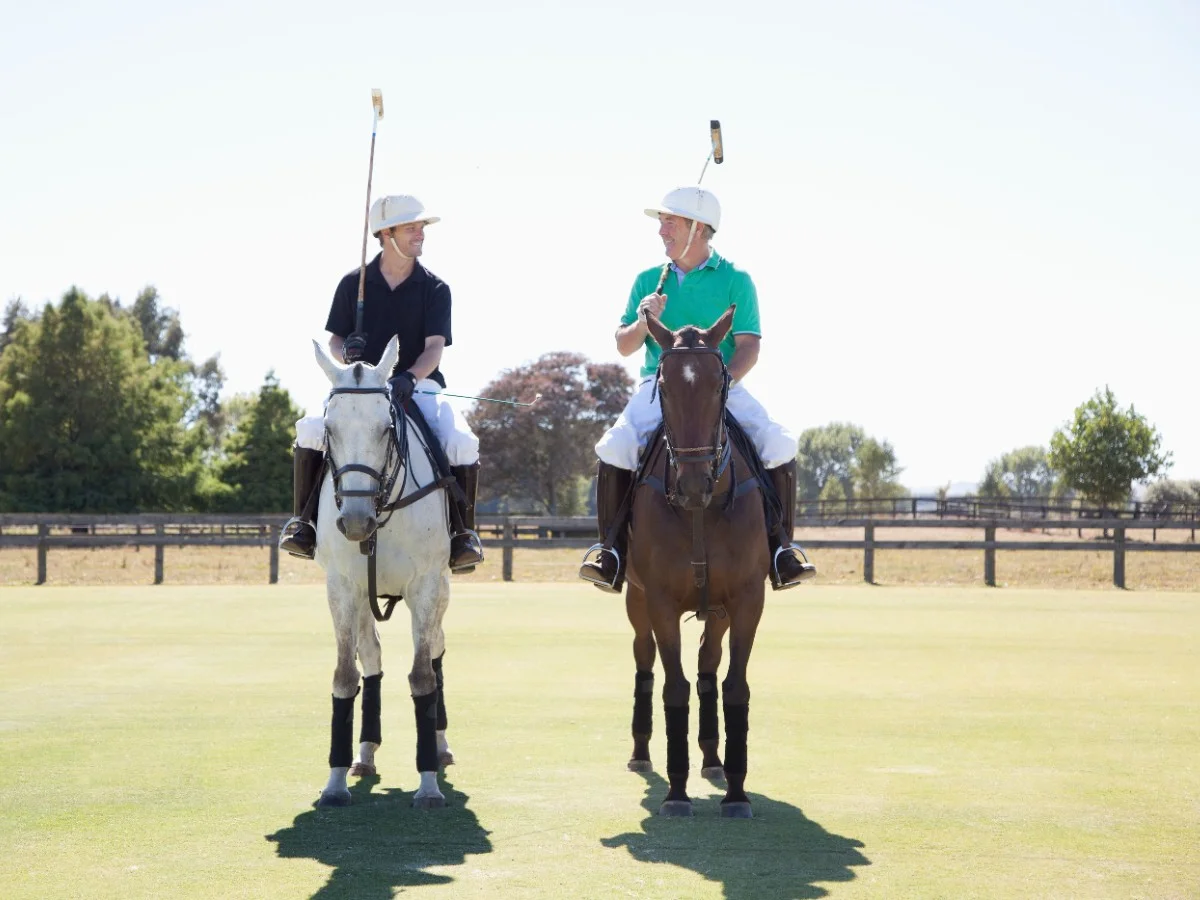
Experience the thrill of polo with your team!
A polo experience adds a unique edge to a team day. It’s active, visual, and just unfamiliar enough to keep everyone curious.
Most formats include a short introduction to the sport, light hands on elements, and time to watch or discuss strategy together.
From a team perspective, polo works because it blends learning with observation. People pick up on coordination, timing, and communication almost instinctively.
It’s a strong choice for teams that want something different from the usual workshop or challenge format, polished but still engaging.
Amazing Race Style Neighbourhood Challenge
This format turns the city into a fast moving game board. Teams complete timed missions, solve clues, and move between checkpoints, often across a single neighbourhood.
It’s dynamic, competitive, and ideal for teams that enjoy momentum.
What makes it effective is the constant decision making. Teams have to balance speed with accuracy, split tasks, and adapt when plans change. It’s high energy without being chaotic, as long as the route is well designed and the goals are clear.
Food Crawl Team Quest (Empanadas, Coffee, Helado)

Team enjoying a fun night out, capturing memories.
A food crawl works especially well for teams that resist traditional team building. Instead of challenges that feel like exercises, this format builds connection through shared discovery.
Each stop becomes a mini mission, rating flavours, finding the next location, or completing a simple task.
Because food lowers barriers, conversation flows easily. Teams bond without realizing they’re doing anything structured, which makes this option perfect for mixed groups, international teams, or end of day programs.
Improvisation or Acting Workshop (Confidence + Listening)
Improv workshops focus on presence, adaptability, and trust.
Activities are short, playful, and designed to keep things safe, with no spotlight pressure and no forced performances. Everyone participates at their own comfort level.
For teams, improv strengthens listening skills and reduces fear of making mistakes. It encourages people to support each other’s ideas rather than compete, which often carries over into day to day collaboration.
Game Show Style Team Night (Trivia, Mini Games, Fast Wins)

Engage with colleagues through fun board games!
A game show format brings structure and fun together.
Teams compete across short rounds: trivia, logic games, creative challenges, with clear scoring and frequent wins. The pace keeps energy high, and no single skill dominates.
This works particularly well as an evening activity or conference add on. It’s inclusive, adaptable to company culture, and easy to scale for larger groups. Most importantly, it leaves teams laughing, and that’s often the strongest takeaway.
I highly recommend focusing on Palermo Hollywood or Puerto Madero, as these neighborhoods offer the most spacious dining venues and private rooms capable of comfortably seating large groups. In my experience, Palermo Soho is also fantastic for its vibrant atmosphere, though you should prioritize the larger parrillas along Avenida Juan B. Justo to ensure your entire team can sit together.
I highly recommend starting with an interactive professional tango workshop, which uniquely builds non-verbal communication and trust within a team while immersing everyone in the city's iconic dance heritage. For a more collaborative approach, I suggest a competitive "Asado Masterclass" where groups work together to prepare traditional Argentine barbecue under the guidance of a local chef. You can also organize a creative street art tour in Palermo that culminates in a collaborative mural project, perfectly blending the city’s vibrant urban culture with a shared group achievement.
I recommend booking a "Quinta" on the outskirts of the city or a private loft in Palermo Soho, as these spaces provide dedicated meeting areas that seamlessly transition into open terraces or gardens for wine tastings and asados. In my experience, these venues allow teams to pivot from focused whiteboard sessions to relaxed socializing without the rigid atmosphere of a traditional corporate office.
I highly recommend San Telmo for its cobblestone charm and historic market find, or Recoleta if you want your team to navigate grand architecture and the famous cemetery's intricate pathways. In my experience, Palermo Soho offers the best atmosphere for creative challenges thanks to its colorful street art and high concentration of unique boutiques and cafes.
I highly recommend the sprawling lawns of Bosques de Palermo, where the Rose Garden and lake provide a scenic, relaxed backdrop for casual group games or a traditional shared picnic. For teams seeking a blend of nature and modern design, the Costanera Sur Ecological Reserve offers quiet trails and open spaces perfect for low-pressure walks and conversation right next to the Puerto Madero district.
Conclusion: Choosing the Right Team Building Experience in Buenos Aires
Team building in Buenos Aires works because the city itself does a lot of the heavy lifting.
The culture encourages connection, the neighbourhoods invite exploration, and the activities feel more like shared experiences than structured exercises.
The key isn’t choosing the “most impressive” option—it’s choosing the one that fits your team’s personality. Competitive teams thrive in challenges and games. Reflective teams benefit from food, culture, and slower-paced environments.
Mixed groups usually do best with flexible formats that allow different strengths to surface naturally.
When planned well, a team day in Buenos Aires doesn’t feel like a corporate obligation.
It feels like a good day out that just happens to make people work better together afterward. Pick one main activity, give it room to breathe, and let the city handle the rest.